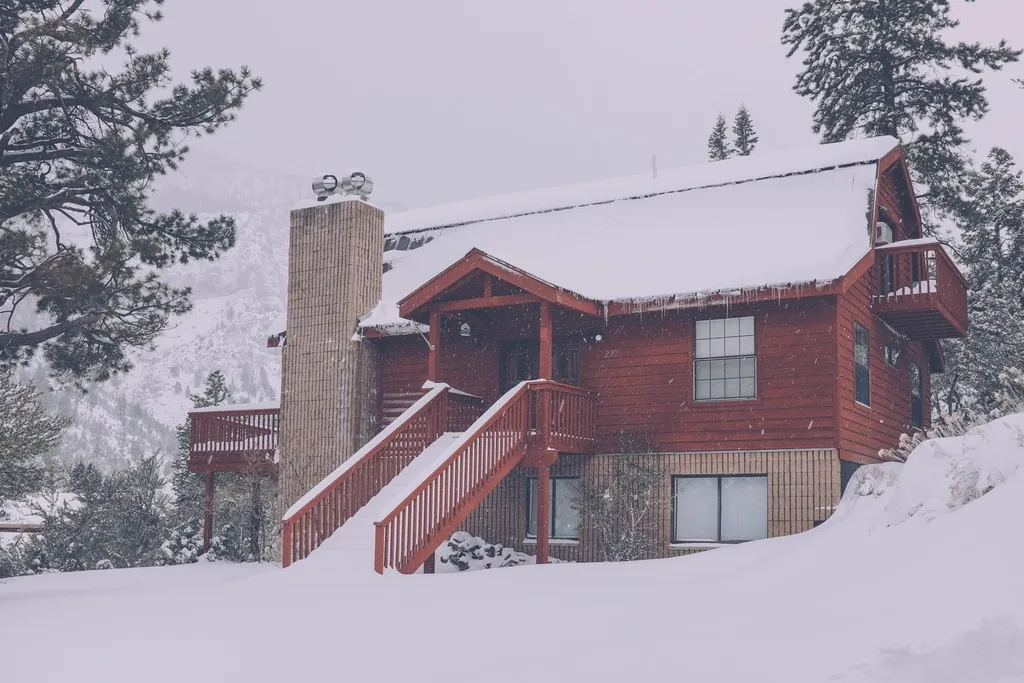
Snow load and roof collapse appraisal in Wisconsin helps owners whose buildings were damaged by the weight of snow, ice or sleet. Once your insurer accepts the loss but disputes what it takes to fix, we serve as your appraiser and build a scope that reflects the structural reality, not just the visible surface.
Why winter weight matters here
Lake-effect bands off Lake Michigan and Lake Superior can bury the shoreline counties, and big synoptic storms such as the February 2011 Milwaukee blizzard can drop a foot or more statewide. Snow that melts and refreezes, or rain that soaks an existing snowpack, adds weight fast. Low-slope roofs, long-span pole buildings and additions where drifting collects against a taller wall are especially vulnerable.
Signs the damage runs deeper
- A visible sag or dip along the ridge or between trusses
- Cracked or split rafters, truss chords or webs in the attic
- Interior doors that suddenly stick or no longer latch
- New drywall cracks at ceiling corners or along tape joints
- Creaking or popping during or after a storm
If you see these, get people out of the space and call a professional. Safety comes before the claim.
Collapse coverage in plain terms
Many homeowners policies treat collapse as an additional coverage, and they often define it narrowly: an abrupt falling down or caving in. A roof that is sagging but still standing may or may not meet that definition depending on your form. Weight of ice, snow or sleet is frequently a named cause within that provision. Those definitions are coverage questions. Appraisal picks up once coverage is accepted.
Where estimates for snow damage go wrong
Treating structure as cosmetic
An estimate that patches drywall and replaces a few shingles while ignoring cracked trusses won’t hold up once a contractor opens the ceiling. We bring in a structural engineer where framing damage is possible and price the repair the engineer specifies.
Shoring and temporary work
Emergency shoring, snow removal to prevent further damage and temporary roofing are legitimate costs, and they need documentation.
Code and permit requirements
Replacing structural members typically requires a permit, and current building code may require more than what was there before. Ordinance or law coverage can matter a great deal.
Contents and loss of use
A collapsed garage or shop may hold vehicles, tools or inventory. A damaged home may be unlivable during repairs. Those items belong in the claim too.
Next steps
If the damage involves ice backing up under shingles rather than weight alone, see our ice dam and frozen pipe appraisal page. Farm buildings with snow damage are covered on our farm and barn page. Owners near the lakeshore can check our Kenosha and Racine pages, or contact us to talk through your claim.
Common questions
My roof is sagging but didn’t fall in. Is that covered?
It depends on how your policy defines collapse. Some forms require an actual falling down or caving in, so read the definition closely and get legal advice if coverage is denied.
Do I need an engineer for a snow load claim?
If framing is cracked or the roof has moved, an engineer’s report is usually the best way to establish the correct repair. It also gives the appraisal panel a clear technical basis.
Is the cost of shoveling my roof covered?
Some policies cover reasonable steps to protect property from further damage after a loss. Routine snow removal before any damage occurs is generally a maintenance cost.