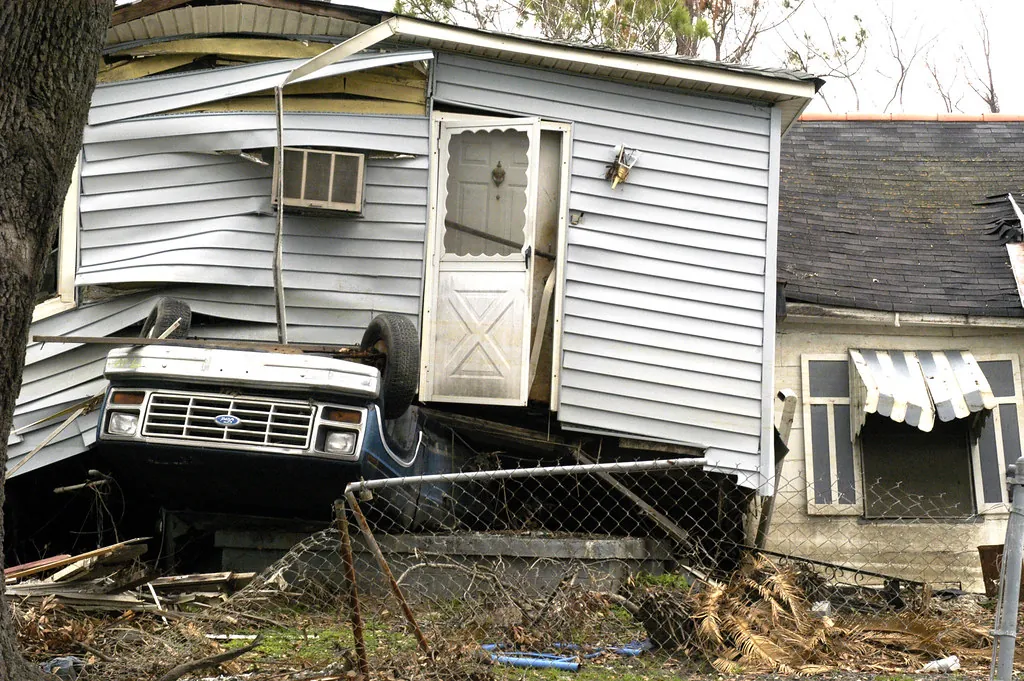
Wisconsin residents know tornadoes, from Barneveld in June 1984 and Oakfield in July 1996 to the August 18, 2005 outbreak that hit Stoughton and the May 2011 tornado in La Crosse. But some of the widest wind damage in the state comes from storms that never produce a funnel. The July 2019 derecho that tore through northern Wisconsin flattened forests, damaged homes and cabins, and left many owners with complicated derecho insurance claims.
What a derecho is
A derecho is a long-lived, widespread windstorm produced by a line or cluster of fast-moving thunderstorms. Instead of the rotating winds of a tornado, a derecho pushes damaging straight-line winds across a broad swath, often hundreds of miles long. Damage tends to be laid out in one direction, with trees and debris falling the same way across large areas.
For insurance purposes, the label matters less than the cause: most homeowners and commercial policies cover direct physical loss from windstorm, subject to the policy’s deductibles, exclusions and conditions. Policies vary, so read yours.
Why wind claims get disputed
Wind versus wear
The most common argument is whether missing or creased shingles were caused by the storm or by age and prior wear. Adjusters may approve a handful of shingle repairs while the owner sees a roof that can’t be reasonably repaired.
Repairability
Older or brittle shingles may not survive a repair. If lifting adjacent shingles to replace damaged ones breaks them, a spot repair may not be practical. That question often decides whether a slope or the whole roof is replaced.
Hidden damage
Wind can break the seal strip on shingles without tearing them off. It can loosen siding fasteners, rack fences and shift outbuildings. These problems are easy to miss on a quick inspection after a widespread storm.
Trees
Coverage for fallen trees varies. Many policies cover removal of a tree that falls on a covered structure, up to a limit, and the damage it caused. Trees that fall without striking anything are often treated differently. Check your policy’s debris removal and trees provisions.
Volume
After a large event, carriers bring in adjusters from elsewhere. Inspections can be rushed, and local pricing may not be reflected if labor and materials are in short supply.
How to scope a wind claim
A thorough scope addresses every part of the property that faced the wind. Use this as a checklist:
- Roof. Missing, creased or unsealed shingles on every slope; ridge cap; starter course; flashing; vents and pipe boots; and any decking exposed or damaged.
- Siding and trim. Loose, cracked or missing panels; bent corners; soffit and fascia; window wraps.
- Gutters and downspouts. Pulled away, bent or detached sections.
- Windows and doors. Broken glass, damaged frames, garage doors pushed in or off track.
- Other structures. Detached garages, sheds, fences, decks, docks and, on farms, barns, pole buildings and grain bins.
- Interior. Water entry through damaged roofs or windows, with stains, wet insulation and contents.
- Trees and debris. Removal from structures, haul-off and any landscape coverage the policy provides.
Document the direction of damage. Photos showing debris and trees laid out the same way support a wind event and help tie specific elevations to the storm.
Estimating details that often get missed
- Shingle seal-strip failure across a slope, not just the tabs that blew off.
- Code-required items such as drip edge or ice and water shield, which may fall under ordinance or law coverage.
- Matching where replacement shingles or siding can’t be found in the same line or color.
- Steep, high or multi-story access charges.
- Temporary repairs, tarping and board-up costs.
- Overhead and profit when multiple trades are coordinated.
Deductibles after a wind event
Some policies carry a separate wind or hail deductible, sometimes set as a percentage of the dwelling limit. As an illustrative example only, a 2 percent deductible on a $300,000 dwelling limit is $6,000. Run your own numbers with the percentage deductible calculator.
When appraisal fits
If the carrier agrees the storm caused covered damage but limits the repair to a few shingles or one elevation, the dispute is often about the amount and scope of loss, which is the kind of disagreement appraisal is designed for. Whether a particular item was caused by wind at all can blur into a coverage question; panels and courts handle that line differently, so document causation carefully.
Our tornado and straight-line wind appraisal page explains how we approach these claims. For HOA, condo and commercial properties, see commercial and HOA appraisal. Track deadlines in the claim timeline planner, and if a hailstorm came with the wind, our hail claim photo checklist covers documentation. Legal questions about coverage or claim handling belong with a Wisconsin attorney.