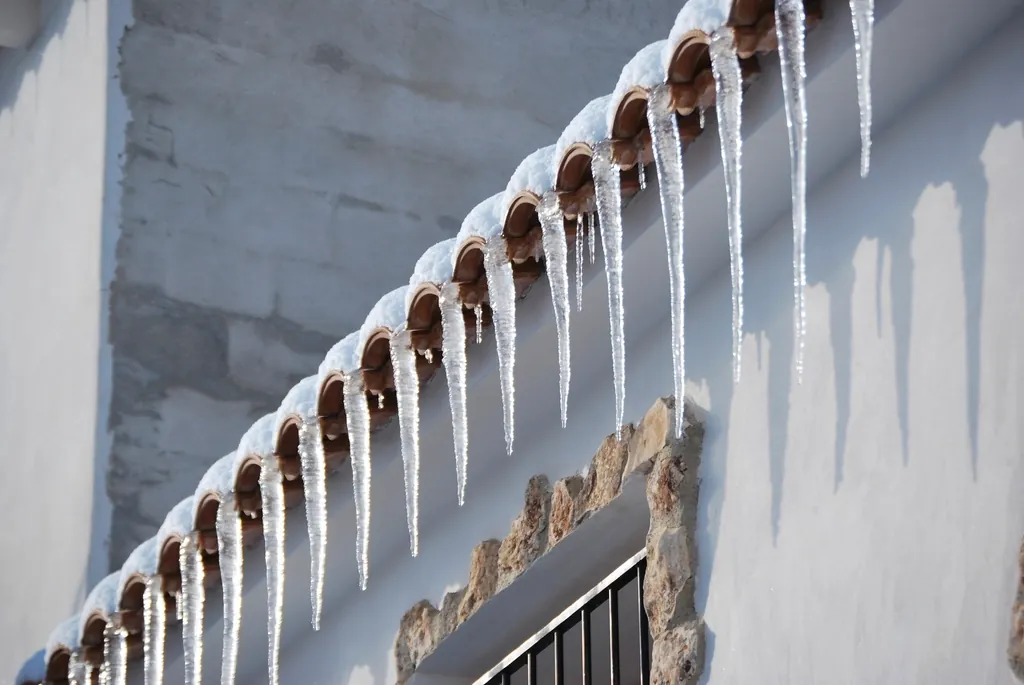
Every Wisconsin winter brings the same pattern: heavy snow, a sunny afternoon, a hard freeze overnight. Snow melts over the warm part of the roof, runs down to the cold eaves and refreezes into a ridge of ice. Water backs up behind that ridge, works under the shingles and shows up as a brown stain on a bedroom ceiling. An ice dam insurance claim usually starts there.
Coverage depends on your policy, and policies vary. What follows is how these claims commonly play out under standard homeowners forms.
What is typically covered
Many homeowners policies cover sudden and accidental water damage to the interior that results from an ice dam. That often includes:
- Wet or stained drywall and plaster on ceilings and walls.
- Saturated insulation in the attic or exterior walls.
- Damaged flooring, trim, cabinets and paint.
- Personal property soaked by the leak, under contents coverage.
- Reasonable costs to dry the structure and prevent mold.
Some policies also cover physical damage to the roof itself caused by the weight of ice and snow, such as bent gutters or torn fascia. That varies, so read the wording on weight of ice, snow or sleet.
What is usually not covered
- The ice itself. Removing an ice dam is usually treated as maintenance, though some policies pay for reasonable removal as a step to prevent further damage. Ask before you assume either way.
- Wear and tear. Old shingles, failed flashing or deteriorated underlayment are generally excluded as maintenance issues.
- Long-term seepage. Many policies exclude damage from water that leaked repeatedly over weeks or months. Prompt reporting matters.
- Upgrades. Adding insulation or ventilation to prevent future dams is usually your cost, unless code or ordinance coverage applies to required work.
Why ice dam claims get disputed
Cause and timing
Carriers sometimes argue the damage is long-term seepage or the result of poor attic ventilation rather than a covered event. Dated photos, weather records and a prompt report help answer that.
Hidden damage
Water travels. It can soak insulation and wall cavities far from the visible stain. An adjuster who looks only at the ceiling may scope a small patch when the wall cavity below is wet too. Moisture readings settle that question.
Repair method
Patch-and-paint versus replace is a frequent gap. If several rooms share continuous ceilings, or the drywall is stained in multiple places, a patch may not produce a reasonable repair.
How to document ice dam damage
- Photograph the outside first. Capture the ice ridge, icicles, gutters and snow depth from the ground with a timestamp. Don’t climb on an icy roof.
- Photograph every interior stain. Take wide shots of each room and close-ups of each stain, drip and bubble in the paint.
- Get moisture readings. A mitigation company’s moisture map and drying log are strong evidence of how far the water went.
- Keep removed materials if you can. Or at least photograph them before disposal.
- Save every receipt. Emergency removal, tarping, fans and dehumidifiers all belong in the file.
- Write a short timeline. When you noticed the leak, when you called the carrier, and what was done.
Estimating ice dam repairs
A complete estimate for an ice dam loss usually includes more than drywall. Look for:
- Drywall removal and replacement, tape, texture and paint, often to a natural break such as a corner.
- Insulation removal and replacement in affected bays.
- Drying equipment, antimicrobial treatment and monitoring.
- Flooring, trim and contents handling where water reached them.
- Exterior items such as gutters, fascia, soffit and any roof damage the policy covers.
- Code items, such as ice and water shield at the eaves when roof repairs trigger current requirements, which may fall under ordinance or law coverage.
If you have both an ice dam leak and a frozen pipe, keep them separate in the file. Each may be a different event with its own deductible, depending on the policy.
Illustrative example
An illustrative example only: a carrier scopes a 4-by-6-foot ceiling patch and repainting of one room. A moisture map later shows wet insulation across three attic bays and a damp exterior wall in the room below. The documented scope now includes insulation, a wall section and two adjoining ceilings. That kind of difference is what a supplement or an appraisal is built on.
When appraisal fits
If the carrier accepts that the interior damage is covered but you disagree on the scope or price, appraisal may be the right tool. If the carrier says the loss isn’t covered at all, that’s a coverage question and a conversation for a Wisconsin attorney.
Our ice dam and frozen pipe appraisal page explains how we approach these files. For heavy-snow seasons, the roof snow load calculator offers a rough sense of the weight on your roof, and our snow load appraisal page covers structural damage from the weight itself. Unfamiliar terms are defined in the claims dictionary.