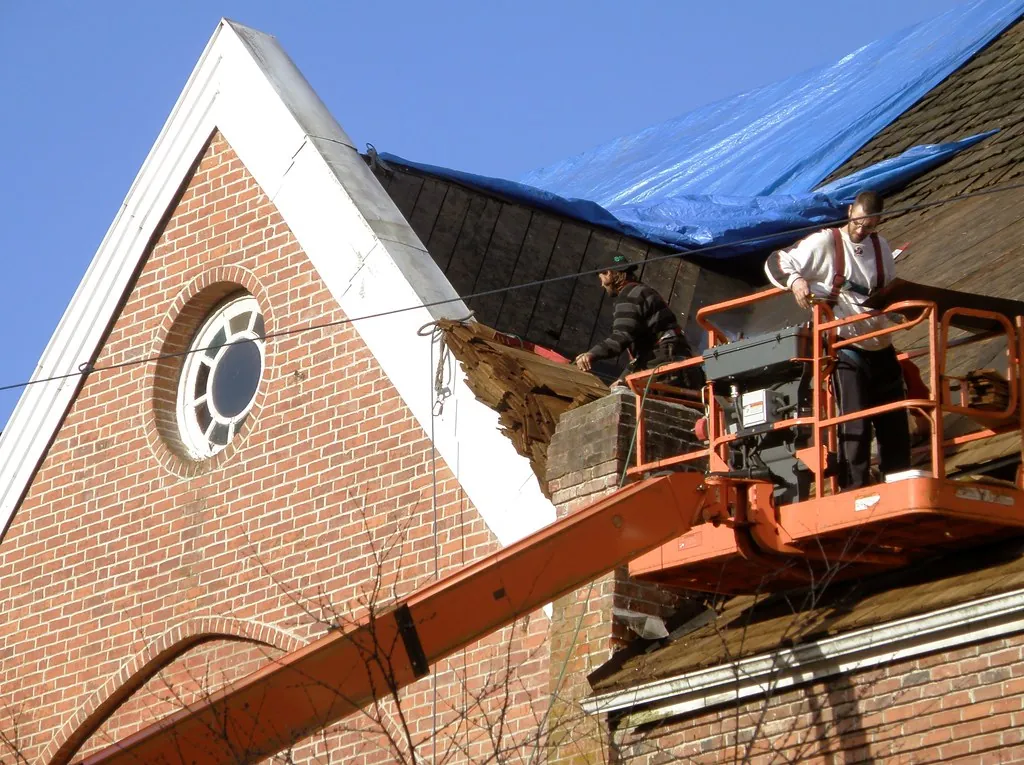
Hail moves through Wisconsin quickly. A storm can leave one side of a street untouched and the other with dented gutters and bruised shingles. Days later, the evidence starts to fade: hailstones melt, leaves cover spatter marks and fresh granule loss washes away. A disciplined hail claim photo checklist preserves what you’ll need when the adjuster arrives and, if it comes to that, during appraisal.
Safety comes first. Don’t climb onto a roof yourself. A roofer or inspector with proper equipment can document the roof surface; you can capture everything at ground level.
Right after the storm
- Hailstones. If it’s safe, photograph a handful of stones beside a coin or ruler. Freezing a few in a bag and photographing them later also works.
- Time and place. Take a photo of the street and your house with the date visible on your phone. Screenshot a local weather report or radar image if one is available.
- Debris and spatter. Shredded leaves, broken branches and spatter marks on decks, fences or mailboxes show the direction and size of the hail.
The roof
Your roofer or inspector should capture:
- Overview shots of every slope, labeled by direction, so damage can be tied to a specific face of the roof.
- Test squares. A marked 10-by-10-foot area on each slope with hits circled in chalk, photographed wide and close.
- Close-ups of individual hits showing bruising, exposed mat or fractured edges, with a scale reference.
- Soft metals on the roof: vents, flashing, ridge caps, skylight frames and chimney caps. Dents in these parts are often the clearest proof of hail size.
- The shingle itself. A label, bundle wrapper or an exposed back of a shingle can help identify the product line, which matters if matching becomes an issue.
- Prior repairs or wear, so the file honestly separates old conditions from storm damage.
Our roof pitch and squares calculator can help you check whether the carrier’s roof measurements look reasonable.
Siding, windows and trim
- Every elevation of the house, wide enough to show the whole wall.
- Close-ups of cracked, holed or chipped vinyl, fiber cement or wood siding.
- Dents in aluminum siding, trim coil and window wraps, shot at an angle with raking light so they show.
- Window screens, glazing beads, cracked glass and damaged frames.
- Paint chips on wood trim, doors and decks.
Gutters, downspouts and other soft metals
Gutters and downspouts take a beating in a hailstorm and are easy to photograph from the ground. Shoot each run, then close up on dents. Also document:
- Air conditioning condenser fins, which can flatten from hail.
- Garage doors, especially steel panels.
- Light fixtures, mailboxes, meter boxes and vent hoods.
- Outdoor furniture, grills and play equipment, if you plan to claim them.
Other structures
Detached garages, sheds, fences and, in rural Wisconsin, barns and machine sheds often fall under separate coverage. Photograph them the same way: every elevation, every roof slope that can be reached safely, and close-ups of damage. Our farm, barn and outbuilding appraisal page explains how those structures are typically valued.
Interior damage
Hail can break skylights and windows, letting water in. If that happens, photograph stains, wet carpet and damaged contents before cleanup, and keep receipts for any emergency tarping or drying.
How to organize the photos
- Create one folder per area: roof by slope, each elevation, gutters, other structures, interior.
- Keep the original files with their date and location data. Don’t edit or filter them.
- Add a short log noting who took the photos and when.
- Back everything up somewhere other than your phone.
Common gaps between estimates
Even with good photos, hail estimates often differ on a few predictable items:
- Number of slopes approved for replacement versus repair.
- Roof measurements, waste factor and steep or high charges.
- Soft metals, flashing, drip edge and ice and water shield.
- Matching of siding or shingles that can’t be replaced in kind.
- Overhead and profit when several trades are involved.
A percentage wind or hail deductible changes what you actually receive, so run the numbers in our percentage deductible calculator.
Next steps
Share your photos with your contractor and ask for a detailed, line-item estimate. If the carrier’s number still falls short, a carrier estimate review can pinpoint the differences, and our hail and roof damage appraisal page explains how a disputed hail claim moves through appraisal. If the storm also left matching problems, read our guide to matching siding and shingles.