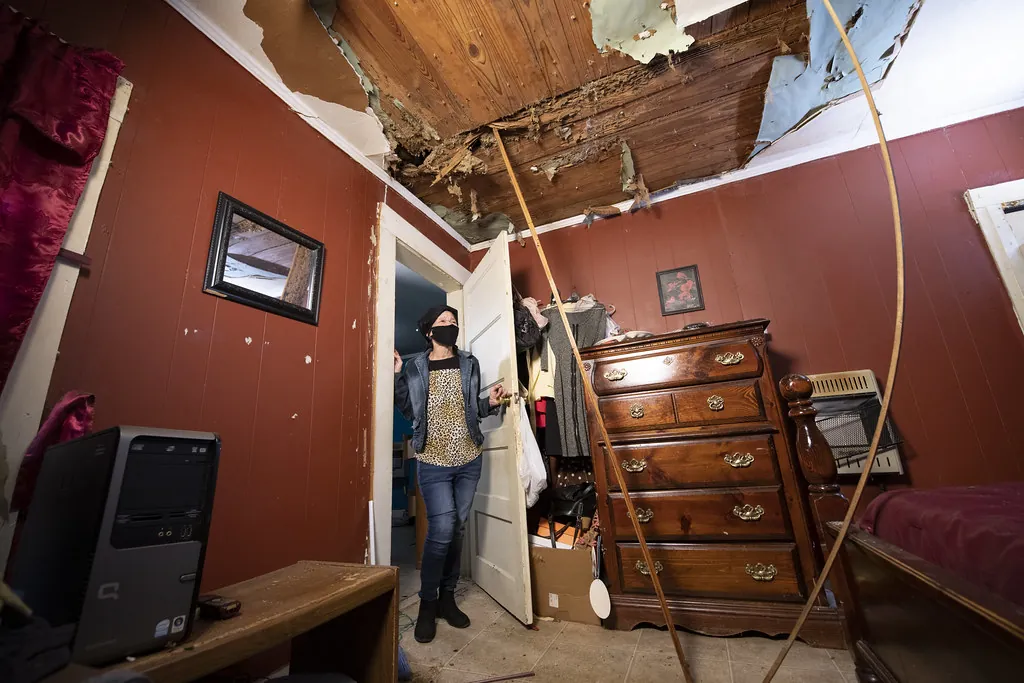
Wisconsin has seen its share of basements filling with water: the June 2008 floods that drained Lake Delton, the July 2010 Milwaukee flash flood that left many basements backed up, and the August 2018 flash flooding around Dane County. After events like these, the first question homeowners ask is whether insurance will pay. The honest answer is that it depends on where the water came from and what coverage you bought. Understanding sewer backup vs. flood coverage is the starting point.
This is a general overview. Policies vary widely, and the exact wording of your policy and endorsements controls. For questions about how coverage applies to your loss, talk to your agent or a Wisconsin attorney.
Three different sources, three different coverages
Water that backs up through drains or overflows a sump
Standard homeowners policies commonly exclude water that backs up through sewers or drains, or overflows from a sump pump. Many carriers sell a water backup or sewer backup endorsement that adds this coverage back, usually with its own limit.
Surface water and flood
Water that rises from outside, such as overland flooding, a river overtopping its banks or heavy rain pooling and flowing into a basement window well, is generally excluded from homeowners policies. Flood coverage usually comes from a separate policy, most often through the National Flood Insurance Program (NFIP) or a private flood insurer.
Sudden and accidental discharge
Water that escapes suddenly from a plumbing system, appliance or water heater inside the home is often covered under a standard homeowners policy, subject to exclusions for long-term leaks and wear and tear. A pipe that bursts during a cold snap, like the late-January 2019 polar vortex, is a classic example.
The sewer backup endorsement
If you have a backup endorsement, check these points on your declarations page and in the endorsement form:
- The limit. Backup endorsements often carry modest limits. Illustrative figures such as $5,000, $10,000 or $25,000 are typical of the options carriers offer, but yours may differ. A finished basement can exceed a low limit quickly.
- The deductible. Some endorsements have their own deductible.
- What’s included. Some endorsements cover the building and contents together under one limit; others split them.
- Exclusions. Many endorsements exclude backup caused by flooding in the area, or water that enters through foundation walls. Read the language closely.
When the endorsement limit is lower than the damage, appraisal won’t raise the limit. It can, however, establish the full amount of loss, which matters if other coverage may also apply or if the limit is in dispute.
NFIP flood insurance
NFIP policies have their own rules, and many differ from homeowners policies in ways that surprise owners:
- A waiting period, commonly 30 days, generally applies before a new policy takes effect, with some exceptions.
- Coverage for basements is limited. Many finishes and contents in a basement are not covered under the standard flood policy.
- Building and contents are separate coverages with separate limits.
- Claim procedures and deadlines are set by federal rules and the policy form, and NFIP disputes follow their own process.
Because NFIP rules are distinct, read your flood policy separately and ask your agent or a Wisconsin attorney about deadlines.
When more than one source is involved
In a heavy storm, a basement can take water from more than one direction at once: a backed-up floor drain, seepage through the walls and overland water through a window well. The carrier may attribute damage to an excluded source, while the owner points to a covered one. These cause disputes are largely coverage questions, which appraisal generally doesn’t resolve.
What helps either way is evidence gathered early:
- Photos and video of where the water entered, while it’s still visible.
- The water line on walls and the depth of standing water.
- Whether the floor drain or sump was overflowing, and whether the sump pump was running.
- Any municipal notices about sewer surcharging in your neighborhood.
- Mitigation reports, moisture readings and photos of removed materials.
Contaminated water
Sewer backup water is usually treated as contaminated. That affects the scope: porous materials such as carpet, pad, drywall near the floor and some contents are often removed rather than dried. Estimates that treat a sewage backup like a clean-water leak tend to fall short on demolition, antimicrobial treatment, disposal and protective equipment.
Where appraisal fits
Appraisal is useful when the carrier accepts that the loss is covered under a particular coverage but disagrees on the amount. Common pricing gaps include:
- How much drywall, insulation and flooring needs to be removed.
- Drying equipment days and mitigation charges.
- Contents values and whether items can be cleaned.
- Furnace, water heater and electrical components damaged by water.
If the question is which coverage applies, or whether any does, that is a coverage dispute and a matter for a Wisconsin attorney.
Planning ahead
Pull out your declarations page before the next storm season. Check whether you have a backup endorsement, what its limit is and whether flood coverage makes sense for your property. Our water and sewer backup appraisal page explains how we approach basement claims, and the insurance appraisal FAQ answers common questions about the process. If your loss involves frozen pipes rather than backup, see our ice dam claims guide for related documentation tips.